
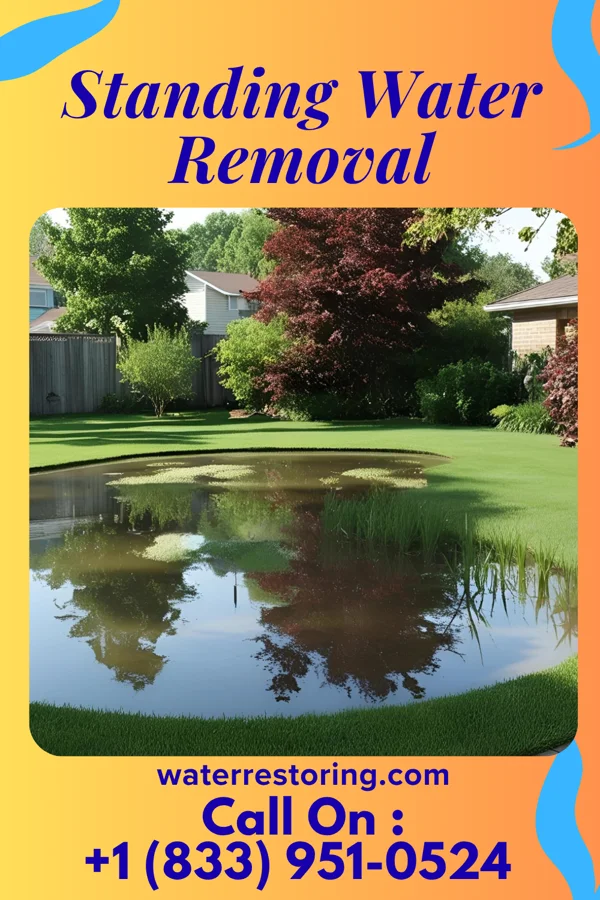
New Philadelphia Standing Water Drivers
Water damage in New Philadelphia tends to cluster in predictable windows because of the local climate. In New Philadelphia, Pennsylvania, water damage is often caused by burst pipes, leaking roofs, and flooding from nearby streams or heavy rainfall. The rural setting and aging infrastructure can lead to unexpected water infiltration, especially during spring thaw or heavy storms. A close second is Secondary causes include malfunctioning sump pumps, sewer backups, and groundwater seepage into basements. These issues are common in areas near Cumbola, Middleport, and Port Carbon, where the terrain and drainage systems can be vulnerable..
New Philadelphia experiences a humid continental climate with heavy precipitation in spring and fall, increasing the risk of water damage. The region's proximity to the Susquehanna River also raises concerns for flooding and water intrusion during extreme weather events.
New Philadelphia experiences a humid continental climate with heavy precipitation in spring and fall, increasing the risk of water damage. The region's proximity to the Susquehanna River also raises concerns for flooding and water intrusion during extreme weather events. The dominant local driver is In New Philadelphia, Pennsylvania, water damage is often caused by burst pipes, leaking roofs, and flooding from nearby streams or heavy rainfall. The rural setting and aging infrastructure can lead to unexpected water infiltration, especially during spring thaw or heavy storms., with Secondary causes include malfunctioning sump pumps, sewer backups, and groundwater seepage into basements. These issues are common in areas near Cumbola, Middleport, and Port Carbon, where the terrain and drainage systems can be vulnerable. showing up as the next most common cause. Damage builds in stages. Spread. Absorption. Microbial growth. Structural compromise. Every stage you pass through adds to the final bill.
For public guidance on the health effects of mold after prolonged water exposure, see the EPA mold and health page.